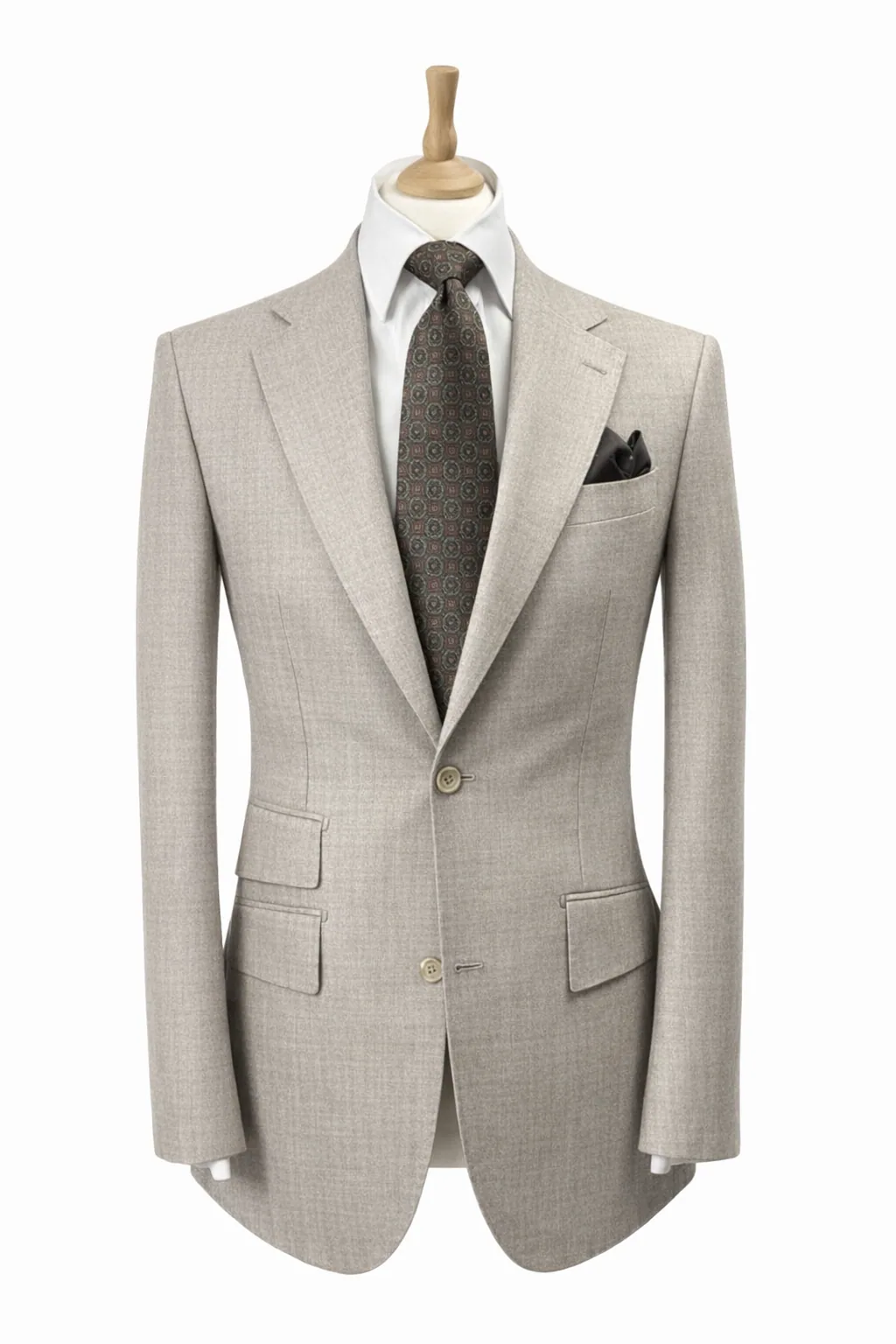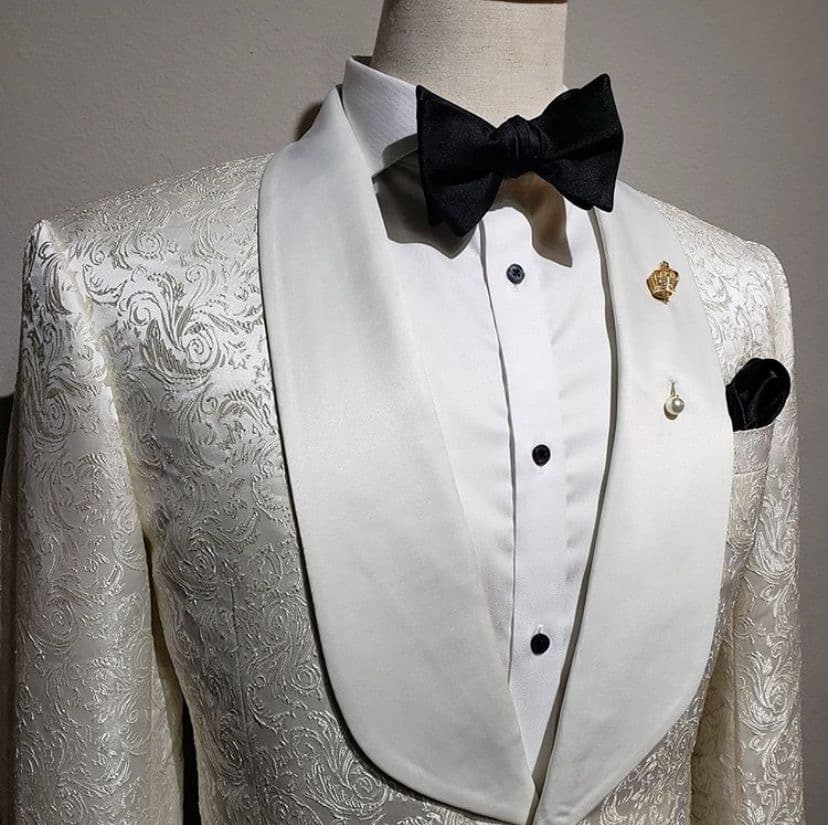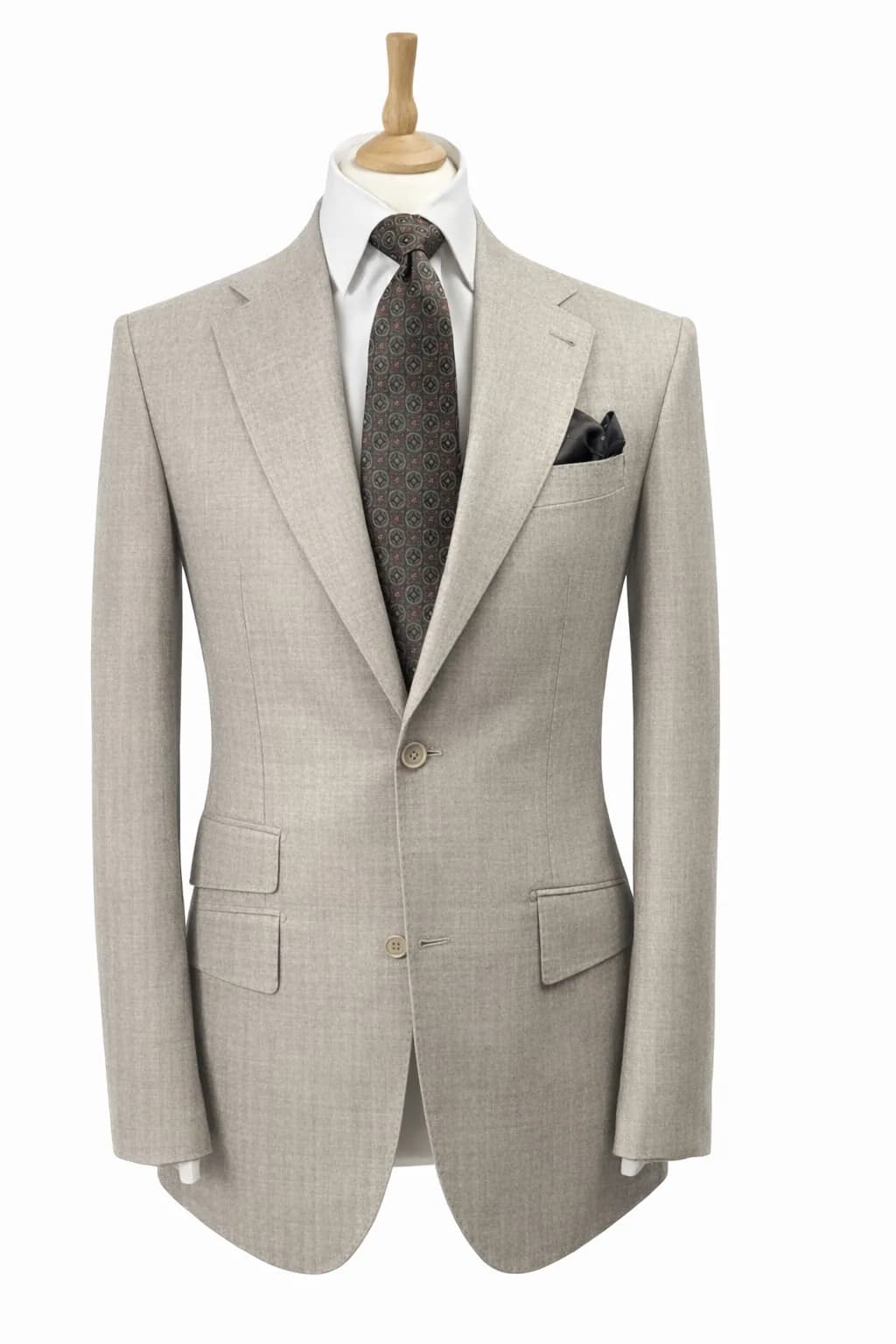
Behind the Pattern: Making a Bespoke Suit from Scratch
A rare look inside the atelier — from the first consultation and chalk marks on cloth through to the final fitting. This is what bespoke really means.
By Kwaku Acheampong
What Does Bespoke Actually Mean?
The word "bespoke" is one of the most misused in menswear. You'll see it applied to everything from trainers to hotel rooms — but its origin is precise. A garment is bespoke when it has been "spoken for": cut, constructed, and fitted for one specific person, from scratch, with no pre-existing pattern.
At JANKS, every suit begins with a conversation. Before a single piece of cloth is touched, we need to understand you — your lifestyle, your posture, the occasions you dress for, the impression you want to make. That conversation is not a formality. It is the foundation of everything that follows.
The Consultation
The first appointment typically lasts between 45 minutes and an hour. We take a comprehensive set of measurements — not just the standard chest, waist, and seat, but the subtler dimensions that off-the-rack sizing ignores entirely: the pitch of your shoulder, the curvature of your back, the drop between chest and waist.
We also observe. How you stand. Whether one shoulder sits higher than the other. Whether you carry weight differently on each side. A good tailor reads the body the way a portrait painter reads a face — looking for the character beneath the surface.
Fabric selection happens at this stage too. We'll guide you through hundreds of cloths — worsted wools, flannel, fresco, tweed — discussing weight, texture, pattern, and season. The cloth you choose will determine not just how the suit looks, but how it moves and how long it lasts.
"A bespoke suit is not made for how you are. It is made for how you want to be seen."
Cutting the Pattern
Unlike made-to-measure, where a standard block is adjusted to your measurements, a bespoke pattern is drafted from zero using your unique dimensions. This is the stage most people never see — and it is where the real craft begins.
The pattern cutter plots each panel of the suit on paper, mapping the geometry of your body into two dimensions. Front and back body, side panels, sleeve head, collar — each piece is drawn, refined, and cross-checked before scissors touch cloth. A single error at this stage will compound through every subsequent stage of construction.
Once the paper pattern is approved, the cloth is laid out and cut by hand with a long, single-bladed cutter's knife. Not scissors. The precision required is formidable.
Construction: The Long Work
The body of a bespoke suit is built over weeks, not days. The canvas — a structured layer of horsehair canvas, linen, and felt — is hand-padded to the chest, creating the roll of the lapel and the three-dimensional shape that gives a great suit its chest. This is what separates true bespoke from the fused, glued construction of most high-street tailoring.
The sleeves are set by hand. The lining is sewn in by hand. The buttonholes — real, functional surgeon's cuffs — are cut and stitched by hand. Each of these operations takes time that machines cannot replicate. The result is a garment that molds progressively to your body with each wearing, becoming more precisely yours with every use.
"Canvassed construction breathes. A fused jacket is, in essence, a laminated sheet of stiffened fabric draped over a body."
The Fittings
A bespoke suit typically requires two to three fittings before it is finished. The first fitting is a baste: the suit is loosely assembled in rough form, held together with temporary stitching, so the tailor can see how the pattern is translating to your body in three dimensions.
This is the critical stage. The shoulder seam is assessed. The chest is checked for suppression and roll. The collar is lifted or lowered. Adjustments are marked in chalk and the suit is returned to the bench. The second fitting is closer to completion — the suit is properly constructed but not yet finished. Final tweaks are made. The third fitting, if needed, is for minor refinements.
By the time you collect your suit, it has been touched by the tailor's hands hundreds of times.
What You Take Home
A bespoke suit from JANKS is not a purchase. It is a document. It records your measurements, your posture, your proportions — a pattern that belongs to you and can be referenced for every subsequent garment you commission.
Wear it well. Rotate it with other suits to let the cloth recover. Cedar-block and brush after each wearing. Re-press rather than dry clean wherever possible. A well-made bespoke suit, properly cared for, will outlast you.
That is not an exaggeration. That is the point.